In an era defined by rapid technological advancement and shifting economic landscapes, financial literacy has become more critical than ever. Whether you are a startup founder seeking capital for expansion, a software engineer purchasing your first home, or a consumer navigating everyday expenses, understanding the nuanced world of lending is essential. Loans are not monolithic; they are diverse financial instruments, each with distinct structures, interest rates, and repayment terms. This guide will dissect the major categories of loans, providing you with the professional insight needed to make informed decisions.
The Fundamental Divide: Secured vs. Unsecured Loans
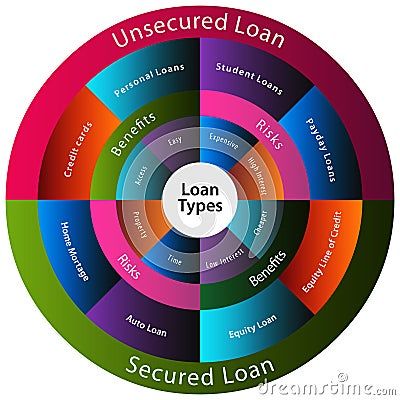
Before delving into specific loan products, it is imperative to grasp the primary distinction between secured and unsecured lending. This classification dictates the risk profile for the lender and, consequently, the terms you will receive as a borrower.
Secured Loans
A secured loan is backed by collateral—an asset such as a car, a savings account, or real estate. If the borrower defaults, the lender can seize the collateral to recover the outstanding balance. Because the lender’s risk is mitigated, secured loans typically offer lower interest rates and higher borrowing limits. Common examples include mortgages and auto loans.
Unsecured Loans
Conversely, an unsecured loan requires no collateral. Instead, approval is based on your creditworthiness, income stability, and debt-to-income ratio. Due to the higher risk assumed by the lender, unsecured loans often carry higher interest rates and stricter qualification criteria. Credit cards, personal loans, and student loans are classic illustrations.
Major Categories of Loans
The lending ecosystem can be segmented further into distinct categories based on purpose, repayment structure, and borrower profile. Below is a detailed breakdown of the most prevalent loan types.
1. Personal Loans
Personal loans are versatile, unsecured (though some may be secured) installment loans offered by banks, credit unions, and online lenders. They provide a lump sum that is repaid over a fixed period with consistent monthly payments. Borrowers frequently use personal loans for debt consolidation, medical expenses, or home improvements. Pro Tip: Because they are unsecured, your credit score plays a pivotal role in determining your APR.
2. Mortgages
A mortgage is a long-term secured loan used to purchase real estate. The property itself serves as collateral. Mortgages come in various forms, including fixed-rate (where the interest rate remains constant) and adjustable-rate (where the rate fluctuates based on market indices). Given the substantial principal involved, mortgages typically span 15 to 30 years.
3. Auto Loans
Auto loans are secured installment loans designed to finance vehicle purchases. The car acts as collateral. Terms generally range from 24 to 84 months. Interest rates can be influenced by whether the vehicle is new or used, as well as the borrower’s credit history.
4. Student Loans
Student loans are specifically designed to cover educational expenses, including tuition, housing, and books. They are available through federal government programs and private institutions. Federal student loans often come with income-driven repayment plans and fixed interest rates, whereas private loans may have variable rates and require a co-signer.
5. Business Loans
For entrepreneurs and established enterprises, business loans provide capital for operations, expansion, or equipment acquisition. Options include term loans, lines of credit, and SBA (Small Business Administration) loans. These are often secured by business assets or personal guarantees.
6. Credit Cards
While technically a revolving line of credit rather than an installment loan, credit cards are a fundamental borrowing tool. They offer flexibility but often carry high interest rates if balances are carried month-to-month. Responsible usage can build credit; reckless usage can lead to a debt spiral.
Comparative Overview of Loan Types
To synthesize this information, the following table provides a high-level comparison of key loan attributes.
| Personal Loan | Unsecured | 1–7 years | Debt consolidation, emergencies |
| Mortgage | Secured | 15–30 years | Home purchase |
| Auto Loan | Secured | 2–7 years | Vehicle purchase |
| Student Loan | Unsecured (usually) | 10–25 years | Education expenses |
| Business Loan | Both | 1–10 years | Startup capital, expansion |
Key Factors to Evaluate Before Borrowing
Selecting the right loan requires more than just comparing interest rates. Consider the following criteria:
- Annual Percentage Rate (APR): This includes both the interest rate and any fees, providing a holistic cost of borrowing.
- Repayment Terms: Shorter terms mean higher monthly payments but less total interest paid. Longer terms offer lower monthly payments but higher overall cost.
- Fees and Penalties: Look for origination fees, prepayment penalties, and late payment charges.
- Credit Impact: Understand how hard inquiries and loan types affect your credit score.
- Flexibility: Does the lender offer deferment, forbearance, or refinancing options?
The Role of Technology in Modern Lending
Fintech has revolutionized loan acquisition. Online lenders now use algorithms and alternative data to assess creditworthiness, often providing approvals within minutes. This democratization of credit has expanded access but also introduced risks, such as predatory lending practices. As a professional borrower, leverage technology for comparison but apply traditional due diligence.
Conclusion
Loans are powerful financial tools that, when used strategically, can facilitate major life milestones and business growth. However, they also carry long-term obligations. By understanding the distinctions between secured and unsecured products, recognizing the unique characteristics of personal, mortgage, auto, student, business, and credit card debt, and rigorously evaluating terms, you can navigate the lending landscape with confidence. Remember: the best loan is not the one with the lowest monthly payment, but the one that aligns with your broader financial architecture.
Leave a Reply