

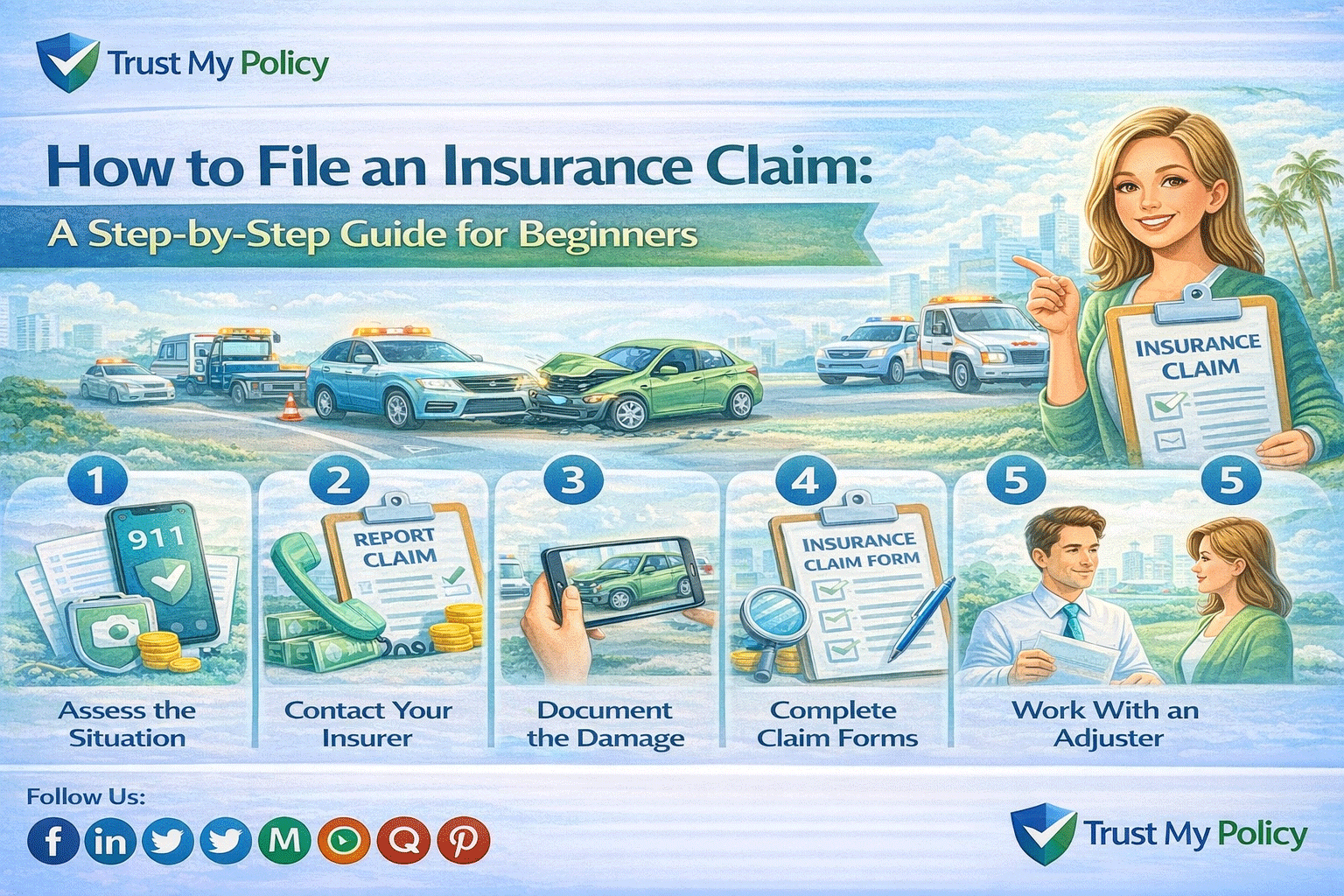
Filing an insurance claim is one of the most consequential administrative tasks a policyholder will ever perform. Whether the claim involves property damage, a medical expense, an auto collision, or a liability dispute, the outcome depends less on luck than on preparation, documentation, and disciplined communication. This guide outlines a structured, professional approach to filing an insurance claim from first notice of loss through final settlement.
Understanding What an Insurance Claim Actually Is
An insurance claim is a formal request to your insurer asking for compensation or coverage under the terms of your policy. It is a contractual process, not a favor. Your insurer is obligated to evaluate the claim in good faith, and you are obligated to provide accurate, timely information. Understanding this mutual responsibility frames the entire process and helps you avoid costly missteps.
Before initiating a claim, confirm three things: that the incident is covered, that the policy was active on the date of loss, and that your deductible is manageable relative to the claim amount. Filing a claim that falls below your deductible can raise your premiums without delivering any financial benefit.
Step-by-Step Process for Filing an Insurance Claim
Step 1: Document the Incident Immediately
Evidence degrades quickly. Photograph and video the damage from multiple angles. Save receipts, invoices, medical reports, and police or incident reports. Record dates, times, locations, and the names of anyone involved. This documentation becomes the foundation of your claim file.
Step 2: Notify Your Insurer Promptly
Most policies specify a notification window, often 24 to 72 hours for urgent matters. Report the loss through your insurer’s official channel—phone hotline, mobile app, or online portal. Always request a claim number and the name of the assigned adjuster.
Step 3: Complete the Claim Forms Accurately
Incomplete or inconsistent forms are the single most common cause of claim delays. Match your written description precisely to the incident report and your supporting evidence. Where a form is ambiguous, ask the adjuster for clarification in writing.
Step 4: Cooperate With the Adjuster
The adjuster will inspect the damage, request documents, and may conduct interviews. Be responsive, factual, and consistent. You are not required to accept an initial settlement offer if it appears undervalued—request a written breakdown of how the figure was calculated.
Step 5: Review the Settlement and Negotiate if Necessary
Compare the offer against repair estimates, replacement costs, and policy limits. If the offer is insufficient, submit a formal, evidence-based rebuttal. Many claims settle higher after a documented counter-argument.
Key Deadlines and Documentation Checklist
Missing a deadline can void an otherwise valid claim. The table below summarizes the typical obligations and evidence required for common claim types.
| Auto collision | 24–72 hours | Police report, photos, repair estimates | Admitting fault at the scene |
| Homeowners property | Prompt notice, often 48 hours | Photos, inventory list, receipts | Discarding damaged property too early |
| Health and medical | Per plan rules, often 30–90 days | Itemized bills, diagnosis codes, referrals | Missing pre-authorization requirements |
| Liability | Immediate notice recommended | Incident report, witness statements | Discussing fault without counsel |
Best Practices for a Strong Claim File
- Maintain a claim log. Record every call, email, and conversation with names and timestamps.
- Communicate in writing. Follow up verbal agreements with an email summary to create a paper trail.
- Keep originals. Submit copies, never originals, unless explicitly required.
- Avoid social media disclosure. Public posts can be used to challenge the severity of your claim.
- Do not exaggerate. Inflated claims constitute fraud and can void coverage entirely.
- Read the denial letter carefully. It must cite the specific policy provision and reason for denial.
When a Claim Is Denied or Undervalued
A denial is not always final. You have the right to appeal, request a re-inspection, or invoke the appraisal clause if your policy includes one. If the dispute persists, you may escalate to your state’s department of insurance or consult an attorney specializing in insurance law. Timelines for appeals vary by jurisdiction, so act promptly.
Conclusion
Filing an insurance claim is a process of precision. Document early, notify promptly, communicate in writing, and never accept a settlement you cannot verify. Policyholders who treat the claim as a structured, evidence-driven project consistently achieve better outcomes than those who rely on verbal assurances. Preparation is the difference between a claim that is honored and a claim that is contested.