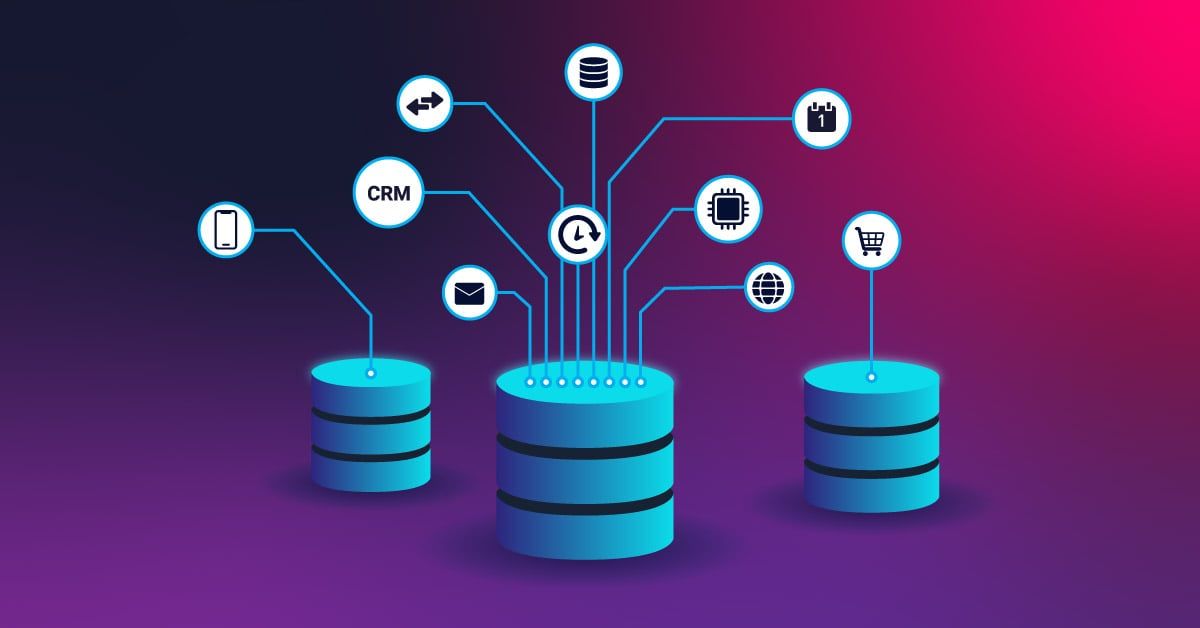
In the modern financial ecosystem, a credit report functions less like a static document and more like a dynamic database record. It is a continuously updated ledger of your borrowing behavior, payment history, and identity markers. For technologists and financial professionals alike, understanding the architecture of a credit report is essential—not just as a consumer, but as an architect of systems that evaluate risk, automate lending decisions, or integrate with financial APIs.
This article examines the mechanics of credit reports: who builds them, what data flows into them, how that data is processed, and how to correct errors when the system fails.
The Credit Reporting Ecosystem: Three Core Entities
Credit reporting operates through a triangular data model involving three primary actors:
- Data Furnishers — Banks, credit unions, credit card issuers, collection agencies, and public records sources that submit account data.
- Credit Bureaus (Consumer Reporting Agencies) — Equifax, Experian, and TransUnion, which aggregate and normalize data from furnishers.
- Data Consumers — Lenders, landlords, insurers, and employers that query reports to make eligibility decisions.
The flow is cyclical: furnishers push data to bureaus monthly, bureaus compile and score it, and consumers pull it to evaluate risk. The entire cycle is governed by the Fair Credit Reporting Act (FCRA), which mandates accuracy, transparency, and dispute rights.
What Goes Into a Credit Report
A credit report is segmented into four primary data categories:
1. Identifying Information
This includes your full name, current and prior addresses, Social Security number, date of birth, and employment history. This data is used to match incoming furnisher records to the correct consumer file—a process known as file matching or identity resolution.
2. Trade Lines (Credit Accounts)
Each trade line represents a credit account and includes:
- Creditor name and account number (often partially masked)
- Account type (revolving, installment, mortgage, etc.)
- Date opened and date of last activity
- Credit limit or original loan amount
- Current balance and payment status
- Payment history (30, 60, 90+ days late)
3. Public Records and Collections
Bankruptcies, civil judgments, and tax liens may appear. Note that as of 2017, the three major bureaus removed tax liens and civil judgments that did not meet enhanced data standards. Unpaid debts sent to collections also appear here.
4. Inquiries
Every time a creditor or lender pulls your report, an inquiry is logged. These are split into:
- Hard inquiries — From applications for credit; these can lower your score temporarily.
- Soft inquiries — From pre-approved offers, employment checks, or your own requests; these do not affect your score.
How Data Is Collected and Standardized
Furnishers transmit data using a standardized format called the Metro 2 format. This is a fixed-width or delimited file specification that defines fields for account status, payment rating, consumer information, and more. Each bureau ingests these files, validates them against internal rules, and updates the consumer’s file.
Because each bureau receives data independently and applies its own matching logic, discrepancies between Equifax, Experian, and TransUnion are common. This is why your three credit reports often differ.
How Credit Scores Are Generated
While the credit report is the data layer, the credit score is the analytical layer. The most widely used scoring model is the FICO score, followed by VantageScore. Both use similar input categories but weight them differently.
| Payment History | 35% | On-time payments vs. delinquencies |
| Amounts Owed | 30% | Credit utilization ratio |
| Length of Credit History | 15% | Age of oldest and average account age |
| Credit Mix | 10% | Variety of account types |
| New Credit | 10% | Recent inquiries and new accounts |
Scoring algorithms are proprietary, but the underlying data is always drawn from the credit report. No report, no score.
Disputes and Data Integrity
The FCRA grants consumers the right to dispute inaccurate or incomplete information. When a dispute is filed, the bureau must investigate—typically within 30 days—by forwarding the dispute to the furnisher. The furnisher must then verify, correct, or delete the data.
Technically, this is a reconciliation process. If the furnisher cannot validate the data, the bureau must remove it. This is why keeping records of correspondence and using certified mail or digital dispute portals is critical.
Access and Security Considerations
Credit reports are protected data. Under the FCRA, you are entitled to one free report every 12 months from each bureau via AnnualCreditReport.com. Additionally, you can request reports after adverse actions, fraud alerts, or identity theft.
For developers integrating credit data, compliance with the FCRA, the Gramm-Leach-Bliley Act, and state-level privacy laws is mandatory. Permissible purpose must be established before any pull, and data must be encrypted in transit and at rest.
Conclusion
Credit reports are not static documents—they are living data structures that evolve with every payment, application, and dispute. Understanding their architecture is the first step toward mastering them, whether you are a consumer repairing your profile or an engineer building the next generation of financial infrastructure.
The system is complex, but it is not opaque. With the right knowledge, you can navigate it with precision.
Leave a Reply