

Blog

How Small Businesses Can Manage Cash Flow: A Practical Technology-Driven Guide
Cash flow is the circulatory system of any small business. Revenue may look impressive on a quarterly report, but without disciplined management of incoming and outgoing funds, even profitable companies can find themselves unable to cover payroll, rent, or supplier invoices. For small businesses operating in an increasingly digital economy, cash flow management is no […]
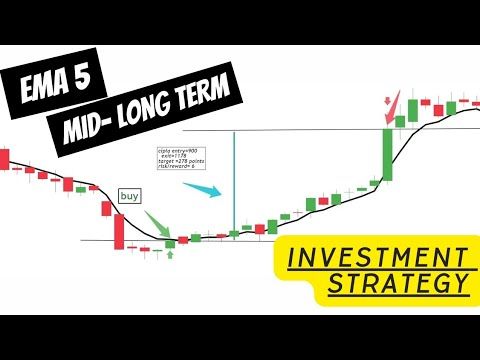
How to Create a Long-Term Investment Strategy That Withstands Market Cycles
Long-term investing is not about predicting the next market correction or chasing the hottest sector. It is about building a disciplined, repeatable framework that aligns your capital allocation with your goals, time horizon, and tolerance for risk. For technology professionals and founders, whose income and equity are often concentrated in a single industry, a robust […]

Common Investment Mistakes Beginners Make
Entering the world of investing is one of the most empowering financial decisions a person can make. Yet the path from novice to confident investor is rarely linear. Even the most disciplined beginners tend to stumble into the same predictable traps, and those early missteps can cost far more than money—they can erode confidence and […]

What Is Wealth Management?
Wealth management is one of the most misunderstood terms in modern finance. To some, it conjures images of private bankers catering to dynastic families. To others, it sounds like an upgraded label for ordinary financial advice. In reality, wealth management is a comprehensive, technology-enabled discipline that coordinates every dimension of a person’s financial life—from investment […]

How Asset Allocation Works: A Strategic Framework for Modern Portfolios
In the architecture of modern investing, asset allocation stands as the foundational pillar upon which every successful portfolio is built. It is the disciplined practice of dividing capital across distinct asset classes—such as equities, fixed income, cash, and alternatives—to balance risk against reward in pursuit of specific financial objectives.
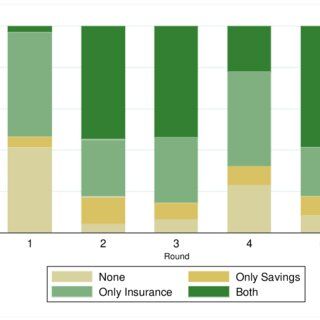
Understanding Investment Risk and Return: The Fundamental Trade-Off Driving Every Portfolio Decision
Every investment decision, from allocating a retirement account to deploying venture capital, rests on a single foundational principle: risk and return are inextricably linked. Investors who internalize this relationship make more disciplined choices. Those who ignore it tend to chase returns while underestimating the volatility required to capture them.
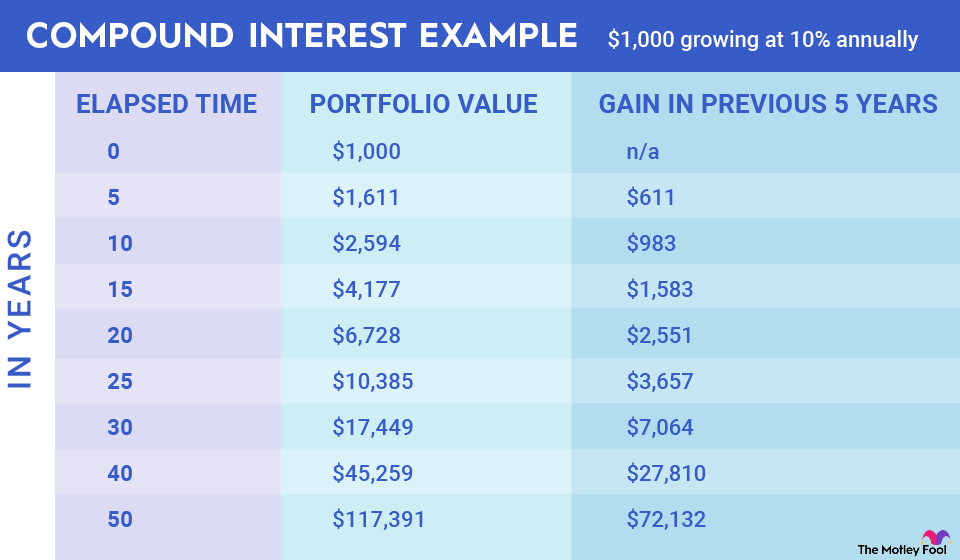
How Compound Interest Can Affect Long-Term Wealth
In the realm of personal finance and wealth accumulation, few concepts carry as much transformative power as compound interest. Albert Einstein is famously attributed with calling it the eighth wonder of the world, and for good reason. While the mechanics are mathematically straightforward, the long-term implications for an individual’s financial trajectory are profound.

Stocks vs Bonds: Key Differences Explained
In the architecture of modern investing, two asset classes form the foundation of nearly every portfolio: stocks and bonds. While both serve as vehicles for growing capital, they operate on fundamentally different principles, carry distinct risk profiles, and serve unique purposes within a diversified strategy.

Understanding Different Types of Investments: A Tech Investor’s Guide to Building Wealth
In an era defined by rapid technological disruption and democratized access to financial markets, understanding the landscape of investment vehicles has never been more critical. Whether you are a software engineer evaluating your equity compensation, a founder diversifying after an exit, or a professional seeking to grow capital beyond a savings account, the principles remain […]

How to Build a Diversified Investment Portfolio
In the technology sector, the pace of innovation rewards those who prepare for volatility as rigorously as they pursue growth. The same discipline applies to personal wealth. Building a diversified investment portfolio is not a passive exercise in spreading money across random assets; it is a strategic architecture designed to balance risk, capture opportunity, and […]