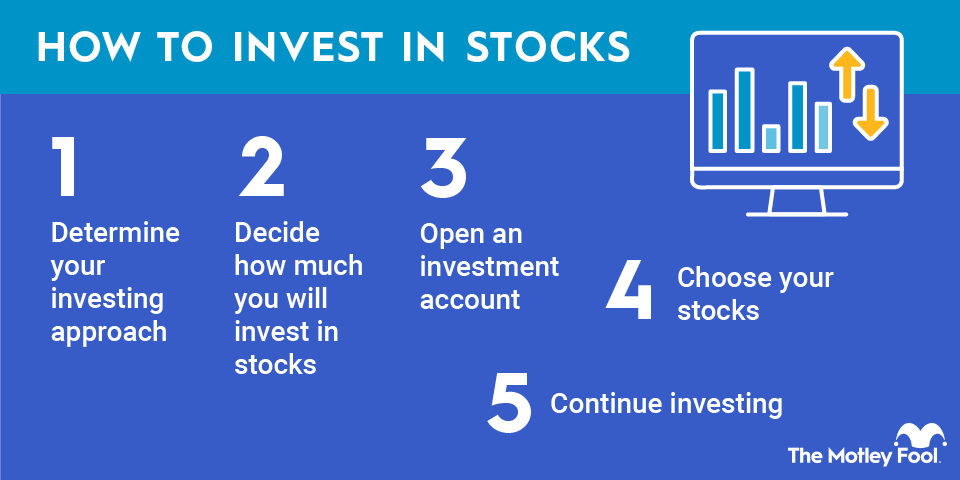
Investing is one of the most reliable ways to build long-term wealth, yet it remains one of the most misunderstood disciplines in personal finance. For beginners, the sheer volume of available information—ranging from index funds and ETFs to robo-advisors and dividend stocks—can feel overwhelming. This guide breaks down the essential concepts, tools, and strategies you need to start investing with clarity and confidence.
Why Investing Matters
Keeping money in a savings account feels safe, but inflation quietly erodes its purchasing power over time. If inflation averages 3% annually and your savings account yields 1%, you are effectively losing 2% of your wealth every year. Investing places your capital in assets that historically outpace inflation, such as stocks, bonds, and real estate.
The magic of investing lies in compound growth. When your returns generate their own returns, your money grows exponentially rather than linearly. A $10,000 investment earning 7% annually becomes roughly $76,000 after 30 years—without adding a single dollar.
Core Asset Classes Every Beginner Should Understand
Before choosing specific investments, you should understand the building blocks of a portfolio.
- Stocks: Ownership shares in a company. Higher risk, higher potential return.
- Bonds: Loans to governments or corporations. Lower risk, lower return.
- Mutual Funds: Pooled money from many investors, managed professionally.
- Exchange-Traded Funds (ETFs): Like mutual funds but traded on stock exchanges throughout the day.
- Real Estate: Physical property or REITs (Real Estate Investment Trusts).
Most beginners are best served by starting with low-cost ETFs or index funds, which provide instant diversification at minimal cost.
The Beginner’s Investment Order of Operations
Investing without a financial foundation is risky. Follow this sequence before committing capital to the markets.
Key Investment Account Types
| 401(k) | Pre-tax contributions, taxed on withdrawal | Employer-sponsored retirement |
| Roth IRA | After-tax contributions, tax-free growth | Younger investors, lower tax brackets |
| Traditional IRA | Pre-tax contributions, taxed on withdrawal | Higher earners seeking deductions |
| Taxable Brokerage | Taxed on dividends and capital gains | Flexible, non-retirement goals |
Each account carries distinct rules regarding contribution limits, withdrawal penalties, and tax obligations. Understanding these differences is critical for optimizing returns.
Diversification and Risk Management
Diversification means spreading your investments across asset classes, sectors, and geographies to reduce the impact of any single loss. If one stock plummets, your entire portfolio should not follow.
Risk tolerance is personal. A 25-year-old with decades until retirement can typically tolerate more volatility than a 60-year-old nearing retirement. A common rule of thumb is to hold a percentage of stocks equal to 110 minus your age, with the remainder in bonds—though modern advisors often recommend a higher equity allocation for longer horizons.
- Market risk: The possibility of broad market declines.
- Inflation risk: Returns that fail to outpace rising prices.
- Concentration risk: Overexposure to a single asset or sector.
- Liquidity risk: Inability to sell an asset quickly at fair value.
Common Beginner Mistakes to Avoid
Even disciplined investors make avoidable errors. Watch for these pitfalls:
How to Start Investing Today
Getting started requires far less capital than most people assume. Many brokerages allow you to begin with $0 minimums and fractional shares.
Consistency matters more than perfection. A simple, automated strategy executed over decades will outperform complex tactics applied sporadically.
Final Thoughts
Investing is not a get-rich-quick scheme; it is a disciplined practice of patience, diversification, and compounding. Beginners who master the fundamentals—emergency savings, tax-advantaged accounts, low-cost index funds, and consistent contributions—position themselves far ahead of those who chase hype.
Start small. Stay consistent. Let time do the heavy lifting. The best day to begin investing was yesterday; the second-best day is today.
Leave a Reply