

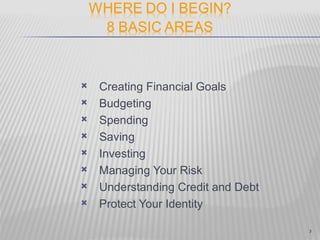
How to Organize Your Finances: A Strategic Framework for Sustainable Wealth Management
Financial disorganization is rarely a matter of laziness. In most cases, it is a structural problem. Income arrives through multiple channels, expenses scatter across accounts, and investment vehicles accumulate without a unifying strategy. The result is a financial life that feels reactive rather than intentional.
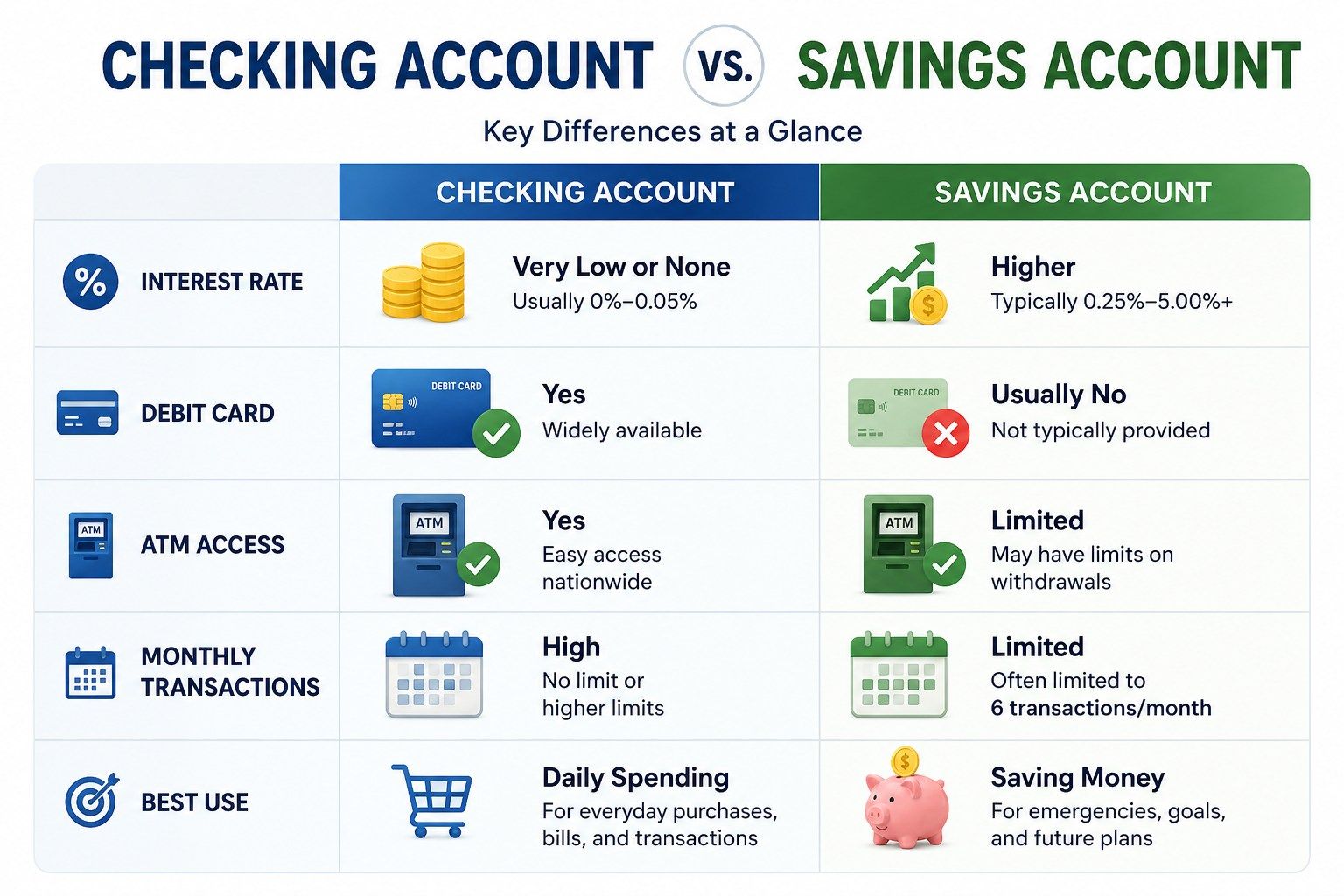
Understanding Checking and Savings Accounts: A Professional’s Guide to Everyday Banking
Few financial decisions shape day-to-day life as quietly and as profoundly as choosing where to keep your money. Checking and savings accounts form the foundation of nearly every personal financial strategy, yet many account holders never examine how these instruments actually function. Understanding their mechanics, differences, and optimal use cases empowers you to manage cash […]

Understanding Insurance Deductibles: A Comprehensive Guide
Insurance policies are built on a foundation of shared financial responsibility between the policyholder and the insurer. At the center of this arrangement lies the deductible, a concept that influences nearly every aspect of how a policy functions. Whether you are purchasing auto coverage, health insurance, or protecting a commercial technology infrastructure, understanding deductibles is […]

What Is Wealth Management?
Wealth management is one of the most misunderstood terms in modern finance. To some, it conjures images of private bankers catering to dynastic families. To others, it sounds like an upgraded label for ordinary financial advice. In reality, wealth management is a comprehensive, technology-enabled discipline that coordinates every dimension of a person’s financial life—from investment […]

How Asset Allocation Works: A Strategic Framework for Modern Portfolios
In the architecture of modern investing, asset allocation stands as the foundational pillar upon which every successful portfolio is built. It is the disciplined practice of dividing capital across distinct asset classes—such as equities, fixed income, cash, and alternatives—to balance risk against reward in pursuit of specific financial objectives.

Common Personal Finance Mistakes to Avoid: A Practical Guide for the Modern Professional
Personal finance is deceptively simple in theory and remarkably difficult in practice. The core principles—spend less than you earn, invest the difference, and let compound interest do its work—have been repeated so often that they risk becoming white noise. Yet millions of otherwise intelligent, high-earning professionals continue to make the same preventable errors, often without […]
Understanding Investment Risk and Return: The Fundamental Trade-Off Driving Every Portfolio Decision
Every investment decision, from allocating a retirement account to deploying venture capital, rests on a single foundational principle: risk and return are inextricably linked. Investors who internalize this relationship make more disciplined choices. Those who ignore it tend to chase returns while underestimating the volatility required to capture them.

How to Choose the Right Banking Services for Your Business
Selecting the right banking services is one of the most consequential operational decisions a technology company will make. Your banking partner touches everything from payroll and vendor payments to compliance, treasury, and investor reporting. A poor fit can introduce friction, fees, and risk that compound as you scale.
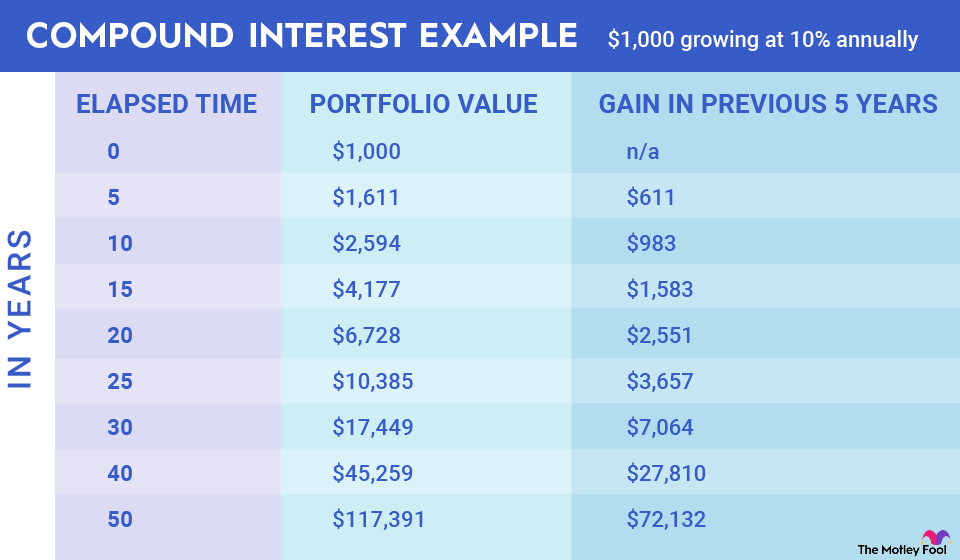
How Compound Interest Can Affect Long-Term Wealth
In the realm of personal finance and wealth accumulation, few concepts carry as much transformative power as compound interest. Albert Einstein is famously attributed with calling it the eighth wonder of the world, and for good reason. While the mechanics are mathematically straightforward, the long-term implications for an individual’s financial trajectory are profound.

What Factors Affect Insurance Premiums?
Insurance is a financial instrument built on a simple principle: the policyholder pays a predictable, manageable sum in exchange for protection against an unpredictable, potentially catastrophic loss. That predictable sum—the premium—is not arbitrary. It is the product of rigorous actuarial science, statistical modeling, and risk assessment.