

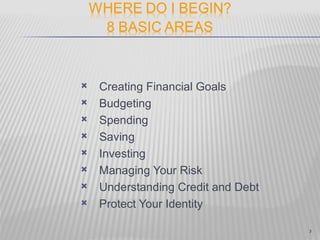
Financial disorganization is rarely a matter of laziness. In most cases, it is a structural problem. Income arrives through multiple channels, expenses scatter across accounts, and investment vehicles accumulate without a unifying strategy. The result is a financial life that feels reactive rather than intentional. For technology professionals—who often juggle equity compensation, side projects, and rapidly evolving income streams—this complexity compounds faster than for the average saver.
This guide outlines a systematic approach to organizing your finances. It is built around five pillars: visibility, structure, automation, optimization, and review. Each pillar reinforces the others. Skip one, and the entire framework degrades.
Pillar 1: Establish Complete Financial Visibility
You cannot organize what you cannot see. The first step is aggregating every financial account, liability, and asset into a single view. This includes checking and savings accounts, brokerage accounts, retirement plans, credit cards, loans, and any alternative assets such as cryptocurrency or private equity.
Conduct a Full Financial Audit
Set aside two to three hours for an initial audit. Use a spreadsheet or a financial aggregation tool to document the following:
- Asset accounts: institution name, account type, current balance, and interest or yield rate.
- Liability accounts: creditor, outstanding balance, interest rate, and minimum payment.
- Income sources: salary, freelance revenue, dividends, rental income, and equity vesting schedules.
- Recurring expenses: subscriptions, insurance premiums, housing costs, and loan payments.
The goal is not precision at this stage. It is completeness. A rough but comprehensive map is far more useful than a precise but partial one.
Pillar 2: Design a Logical Account Structure
Most people operate with one checking account and one savings account. This structure collapses under any real financial complexity. A more resilient model separates money by function, not by institution.
The Five-Account Framework
| Income Hub | Receives all deposits; distributes funds outward | 1 month of expenses |
| Operating Account | Pays bills and daily expenses | 1–2 months of expenses |
| Emergency Fund | Covers income disruption or major repair | 6–12 months of expenses |
| Sinking Funds | Allocates for known future costs (travel, taxes, repairs) | Varies by goal |
| Investment Account | Deploys capital into long-term assets | No ceiling |
This separation eliminates the cognitive burden of deciding whether a purchase is affordable. The operating account answers that question automatically.
Pillar 3: Automate Cash Flow
Manual transfers introduce friction and error. Automation removes both. Once your account structure is in place, configure recurring transfers that align with your income cycle.
This sequence—pay yourself first, obligations second, discretionary last—inverts the default behavior most people follow. It enforces discipline without requiring willpower.
Pillar 4: Optimize Debt and Interest
Organizing finances is not only about accumulation. It is also about eliminating drag. High-interest debt erodes net worth faster than most portfolios can grow.
Prioritize by Interest Rate
List every liability with its annual percentage rate. Address the highest-rate debt first while maintaining minimum payments on all others. This is mathematically optimal. If psychological momentum matters more, the snowball method—paying the smallest balance first—is a reasonable alternative.
For technology professionals with equity compensation, consider whether vested shares should be used to eliminate high-interest debt before being reinvested. A guaranteed return of 18% from debt elimination often outpaces expected market returns.
Pillar 5: Implement a Review Cadence
Organization decays without maintenance. Establish a rhythm that matches the pace of your financial life.
- Weekly: Review the operating account balance and any irregular transactions.
- Monthly: Reconcile all accounts, update your net worth tracker, and adjust sinking fund contributions.
- Quarterly: Review investment allocations, rebalance if drift exceeds 5%, and assess progress toward goals.
- Annually: Conduct a full audit, revisit tax strategy, and update beneficiary designations and insurance coverage.
A quarterly review is the minimum effective cadence for most people. Annual-only reviews allow small inefficiencies to compound into significant problems.
Conclusion: Structure Beats Motivation
Financial organization is an engineering problem, not a moral one. The objective is to build a system that produces correct behavior by default. Visibility reveals the landscape. Account structure creates separation. Automation removes friction. Optimization eliminates waste. Review prevents decay.
Start with Pillar 1. Complete the audit. Everything else follows from that foundation. Once the system is in place, financial decisions become faster, calmer, and more consistent—which is precisely the point.