
Financial planning is not a luxury reserved for the wealthy or the financially sophisticated. It is a structured, repeatable process that helps anyone align their money with their goals. For technology professionals, freelancers, and early-career workers alike, the principles remain the same: understand where you are, define where you want to go, and build systems that close the gap. This guide introduces the core components of personal financial planning and provides a practical framework you can apply immediately.
Why Financial Planning Matters
Without a plan, income tends to disappear into discretionary spending, emergencies become debt, and long-term goals remain abstract wishes. A financial plan replaces guesswork with intention. It gives you visibility into your cash flow, control over your decisions, and confidence that your resources are working toward outcomes you actually value.
In the technology sector, income can be volatile. Contract work, equity compensation, bonuses, and rapid career changes make planning both more difficult and more essential. A robust plan accommodates irregular income rather than assuming a fixed salary.
The Five Pillars of Personal Financial Planning
Effective planning rests on five interconnected pillars. Weakness in any one of them undermines the others.
Step 1: Assess Your Current Financial Position
Before you can plan, you must measure. Begin by calculating your net worth: total assets minus total liabilities. This single number provides a snapshot of your financial health and a baseline against which to track progress.
Key Metrics to Calculate
- Net worth: assets minus liabilities.
- Monthly cash flow: income minus expenses.
- Savings rate: the percentage of income you save and invest.
- Debt-to-income ratio: monthly debt payments divided by gross monthly income.
Review these figures quarterly. Consistency matters more than precision; an approximate number you track regularly is more useful than a perfect number you never revisit.
Step 2: Build a Budget That Survives Real Life
A budget is not a restriction; it is an allocation. Popular frameworks include the 50/30/20 rule, which divides after-tax income into needs, wants, and savings. For those with irregular income, a zero-based budget — assigning every unit of currency a purpose — often works better.
Common Budgeting Approaches
| 50/30/20 | Salaried employees | Split income into needs, wants, savings |
| Zero-based | Variable income | Assign every dollar a job |
| Pay yourself first | Disciplined savers | Automate savings before spending |
| Envelope system | Spending control | Limit categories with physical or digital caps |
Automation is your greatest ally. Schedule transfers to savings and investment accounts on payday so that saving happens by default rather than by willpower.
Step 3: Establish an Emergency Fund
An emergency fund is the foundation of every other financial goal. Without it, a single unexpected expense — a medical bill, a laptop failure, a layoff — can force you into high-interest debt.
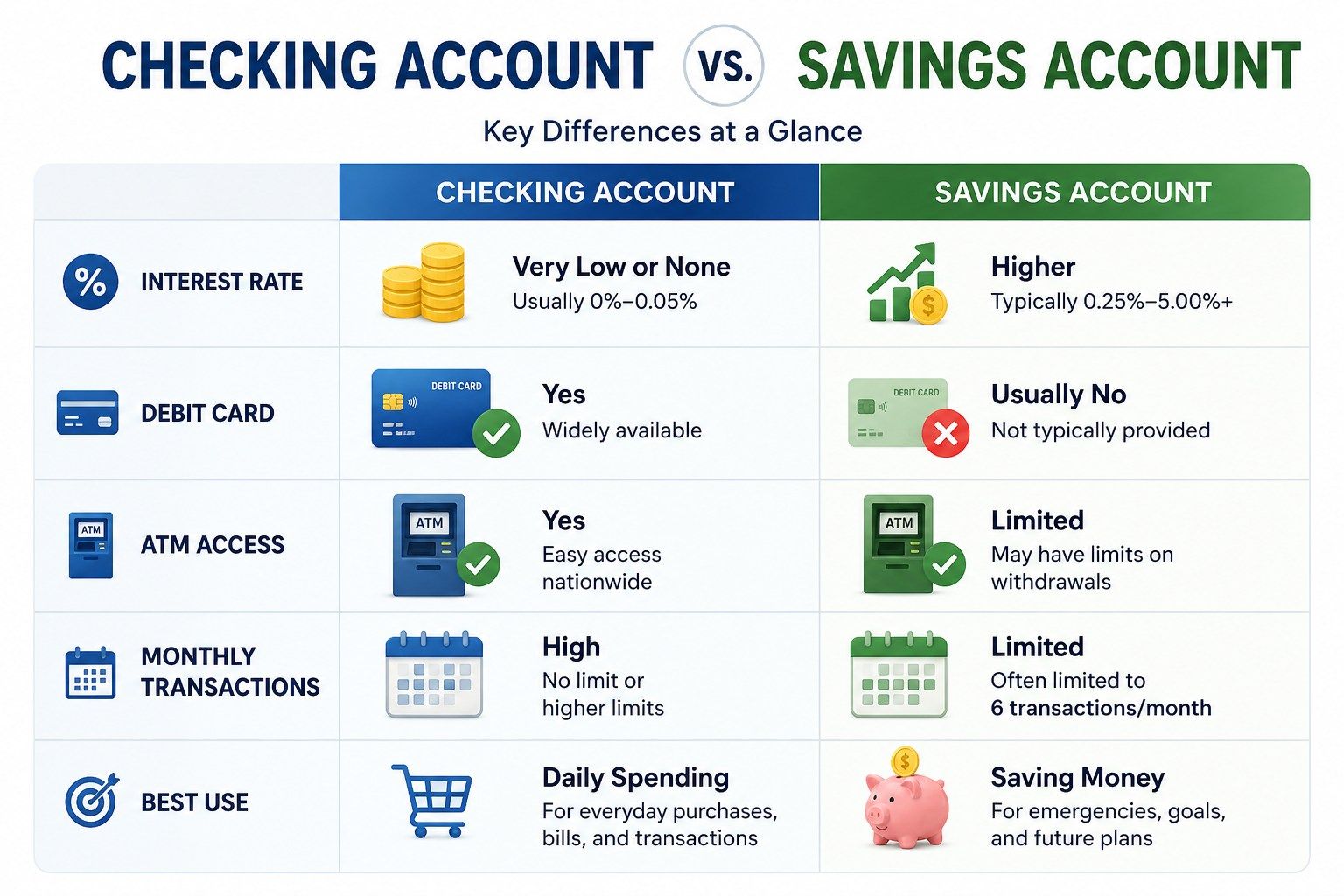
Most planners recommend saving three to six months of essential expenses. Technology workers with volatile income or single-income households should target the higher end. Keep these funds in a high-yield savings account or money market fund: liquid, accessible, and separate from your daily checking account.
Step 4: Manage and Eliminate Debt
Not all debt is equal. Mortgage debt at a low fixed rate is fundamentally different from credit card debt at 25% APR. Prioritize high-interest debt while maintaining minimum payments on everything else.
Two Proven Repayment Strategies
- Avalanche method: pay the highest interest rate first. Mathematically optimal and minimizes total interest paid.
- Snowball method: pay the smallest balance first. Psychologically motivating and builds momentum.
Choose the method you will actually sustain. Consistency beats theoretical efficiency.
Step 5: Invest for the Long Term
Investing is how you convert today’s income into future financial independence. For beginners, the priority is simplicity and consistency.
Investment Principles for New Investors
Before investing in taxable accounts, maximize tax-advantaged options available in your jurisdiction, such as employer-sponsored retirement plans or individual retirement accounts.
Step 6: Protect What You Have Built
Insurance transfers risk you cannot afford to absorb. Review health, disability, life, and property coverage. Disability insurance is particularly important for technology professionals, whose income depends on their ability to work.
Essential Coverage Checklist
- Health insurance: protects against medical catastrophe.
- Disability insurance: replaces income if you cannot work.
- Life insurance: essential if others depend on your income.
- Property and liability: covers your home, vehicle, and personal liability.
Step 7: Set Goals and Review Regularly
Goals should be specific, measurable, and time-bound. Instead of “save more,” define “save 20% of income toward a down payment by December 2027.” Break each goal into monthly milestones and track them.
Conduct a full financial review quarterly and a deep review annually. Reassess your plan whenever major life events occur: a new job, marriage, a child, or a significant change in income.
Conclusion
Personal financial planning is a discipline, not a destination. By assessing your position, budgeting deliberately, building reserves, eliminating costly debt, investing consistently, and protecting your assets, you create a system that turns income into lasting security. Start with one pillar, automate what you can, and refine as you go. The best plan is the one you actually follow.