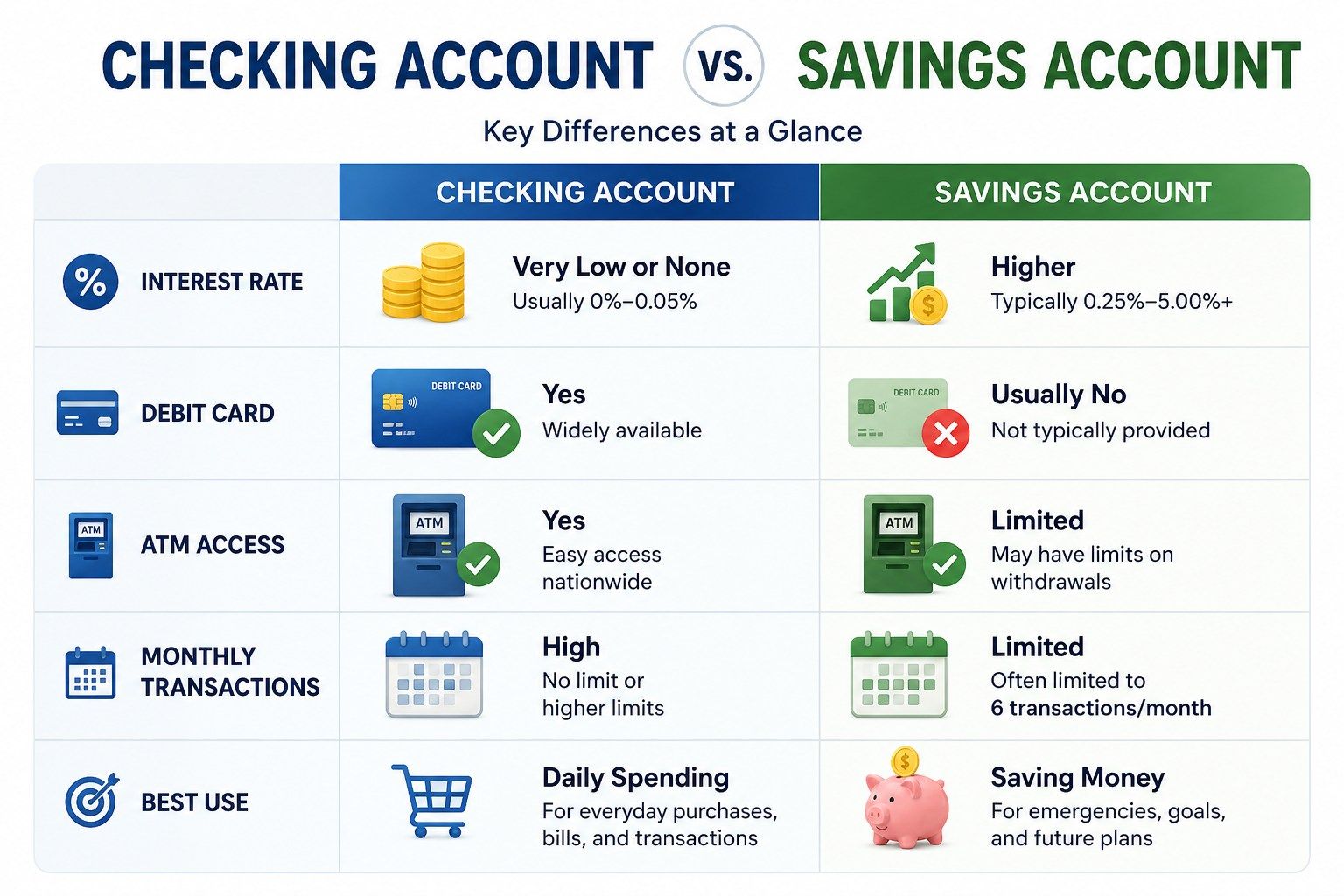


The financial services industry has undergone a profound transformation over the past two decades. What was once a sector defined by marble lobbies, physical ledgers, and face-to-face interactions has evolved into a digital ecosystem accessible from the palm of your hand. Online banking—also referred to as digital or virtual banking—has emerged as a formidable alternative to traditional banking, the brick-and-mortar model that dominated the twentieth century. For consumers and businesses alike, choosing between these two paradigms is no longer a simple matter of preference; it involves weighing factors such as convenience, cost, security, and the scope of services required. This article breaks down the key differences to help you make an informed decision.
Defining the Two Models
Before comparing their merits, it is essential to understand what each banking model entails.
Traditional Banking
Traditional banking refers to financial institutions that maintain physical branch locations. These banks offer a full suite of services—savings and checking accounts, loans, mortgages, wealth management, and in-person customer support. Customers can walk into a branch, speak with a teller, and conduct transactions face-to-face. Well-known examples include national banks with thousands of locations and community banks serving local regions.
Online Banking
Online banks operate primarily or exclusively through digital platforms—websites and mobile applications. They may have limited or no physical branches. Customers manage accounts, deposit checks via mobile capture, transfer funds, and communicate with support through chat, email, or phone. Because they lack the overhead of maintaining branches, online banks often pass savings back to consumers in the form of higher interest rates and lower fees.
Key Differences at a Glance
The following table summarizes the primary distinctions between online and traditional banking:
| Access | 24/7 via internet and mobile app | Branch hours plus online access |
| Fees | Typically lower or none | Often higher; monthly maintenance fees common |
| Interest Rates | Generally higher on savings | Generally lower on savings |
| Customer Support | Phone, chat, email | In-person, phone, chat, email |
| Cash Handling | Limited; via ATMs or partner networks | Direct at branches and ATMs |
| Complex Services | Basic to moderate | Full range including mortgages, wealth management |
Advantages of Online Banking
Online banks have gained significant traction, particularly among younger demographics and tech-savvy professionals. Their appeal rests on several pillars:
- Convenience: Transactions can be completed at any time, from anywhere. There is no need to take time off work or stand in line.
- Cost efficiency: Lower overhead translates to fewer fees and higher yields. Many online banks offer no monthly maintenance fees and no minimum balance requirements.
- Competitive rates: Savings accounts and certificates of deposit (CDs) at online banks frequently outpace those at traditional institutions.
- Automation: Bills can be paid automatically, and transfers between accounts can be scheduled with ease.
- Integration: Many online banks integrate seamlessly with budgeting apps and financial management tools.
Advantages of Traditional Banking
Despite the digital shift, traditional banks retain distinct advantages that remain important to many consumers:
- In-person service: For complex transactions—such as securing a mortgage or resolving a disputed charge—speaking with a representative face-to-face can be invaluable.
- Cash and coin services: Depositing or withdrawing large amounts of cash, obtaining coins, or accessing safe deposit boxes is straightforward at a branch.
- Wide service range: Traditional banks typically offer a broader array of products, including investment advisory, estate planning, and business lending.
- Established trust: Many traditional institutions have decades or centuries of history, which some customers find reassuring.
- Community presence: Local banks often sponsor community events and support regional economies.
Security Considerations
Security is a common concern when evaluating online banking. It is important to note that both models employ robust encryption, multi-factor authentication, and fraud monitoring. In fact, online banks often invest heavily in cybersecurity because their entire operation depends on digital trust. Traditional banks, meanwhile, must secure both physical and digital assets.
That said, consumers play a critical role in safeguarding their accounts regardless of the model they choose. Best practices include using strong, unique passwords, enabling two-factor authentication, monitoring accounts regularly, and avoiding public Wi-Fi for sensitive transactions.
Which Model Is Right for You?
The choice between online and traditional banking depends on your financial habits and priorities. Consider the following scenarios:
The Bottom Line
Online banking and traditional banking are not mutually exclusive. The modern financial landscape allows consumers to blend services from both models to suit their lifestyles. Online banking excels in convenience, cost, and rate competitiveness. Traditional banking shines in personalized service, cash handling, and comprehensive financial offerings. As technology continues to advance, the lines between the two will blur further, but the fundamental trade-off—digital efficiency versus physical presence—will remain a key decision point for consumers.
Ultimately, the best bank is the one that aligns with your financial goals, technological comfort level, and day-to-day needs. Evaluate your priorities carefully, and do not hesitate to leverage the strengths of both models to build a resilient financial life.